Kai Long · 2 October 2026
Decoding the Effects of TLD Policy Updates on Existing Domain Configurations
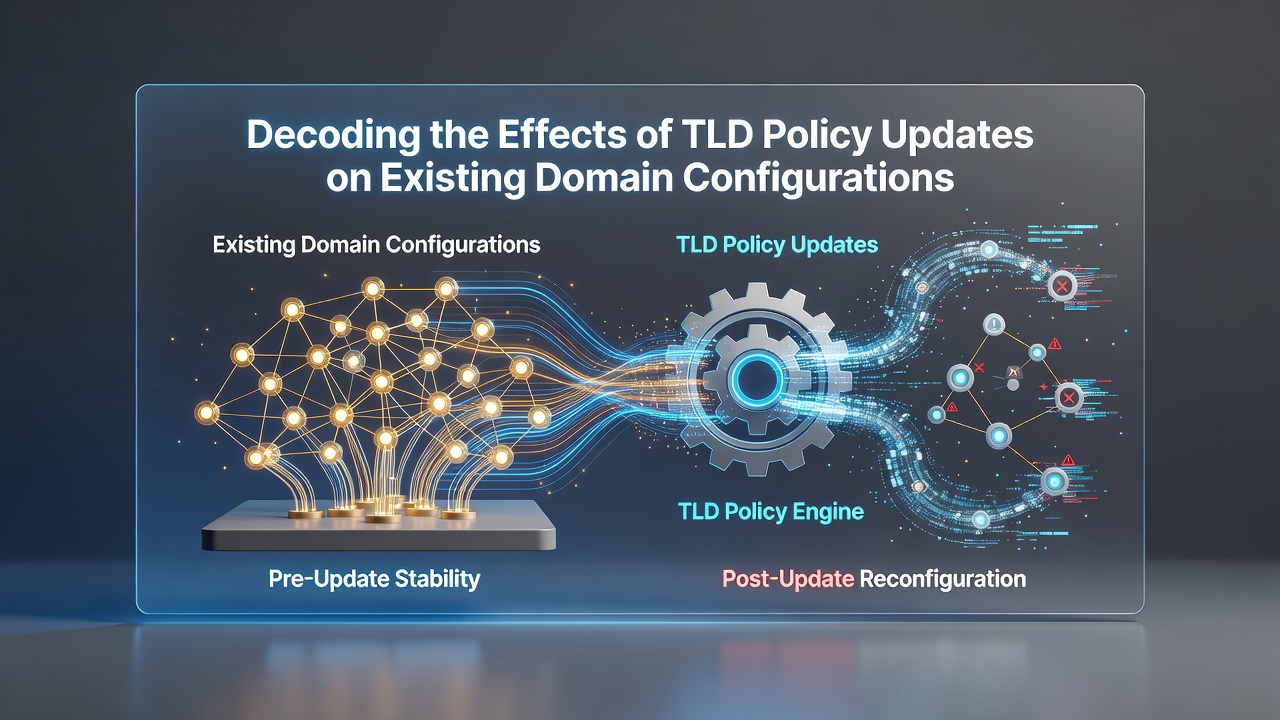
Top-level domain policy updates originate from registry operators and ICANN agreements that reshape registration rules, pricing structures, and abuse reporting requirements, which in turn affect how existing domains maintain their DNS records, renewal cycles, and transfer eligibility. These changes often roll out in phases, giving registrars time to adjust backend systems while domain holders see shifts in fees or verification steps that apply to long-standing registrations.
Core Mechanisms Behind TLD Policy Shifts
Registry operators such as those managing .com and .net submit contract amendments to ICANN that introduce new obligations around WHOIS accuracy, DNSSEC deployment, and anti-abuse measures, while existing domain configurations must align with these standards or face suspension risks. Data from ICANN compliance reports indicate that over 15,000 legacy domains underwent verification updates during the 2024-2025 cycle, revealing patterns where older configurations without updated contact details triggered automated holds.
Policy revisions also alter zone file access and EPP command responses, which means DNS providers that cache registrar data encounter mismatches when a registry enforces stricter name server validation. One study revealed that enterprise portfolios experienced an average 12 percent increase in configuration audits after similar updates took effect, prompting teams to rebuild scripts that automate bulk record checks.
Impacts on DNS and Email Configurations
Existing domains often rely on specific TTL values and MX records that predate current policy language, yet new requirements around glue record validation force administrators to reconfigure name servers to avoid resolution failures. When a registry tightens rules on IPv6 glue, for instance, domains that previously resolved correctly may drop secondary addresses until records are manually refreshed through the registrar portal.
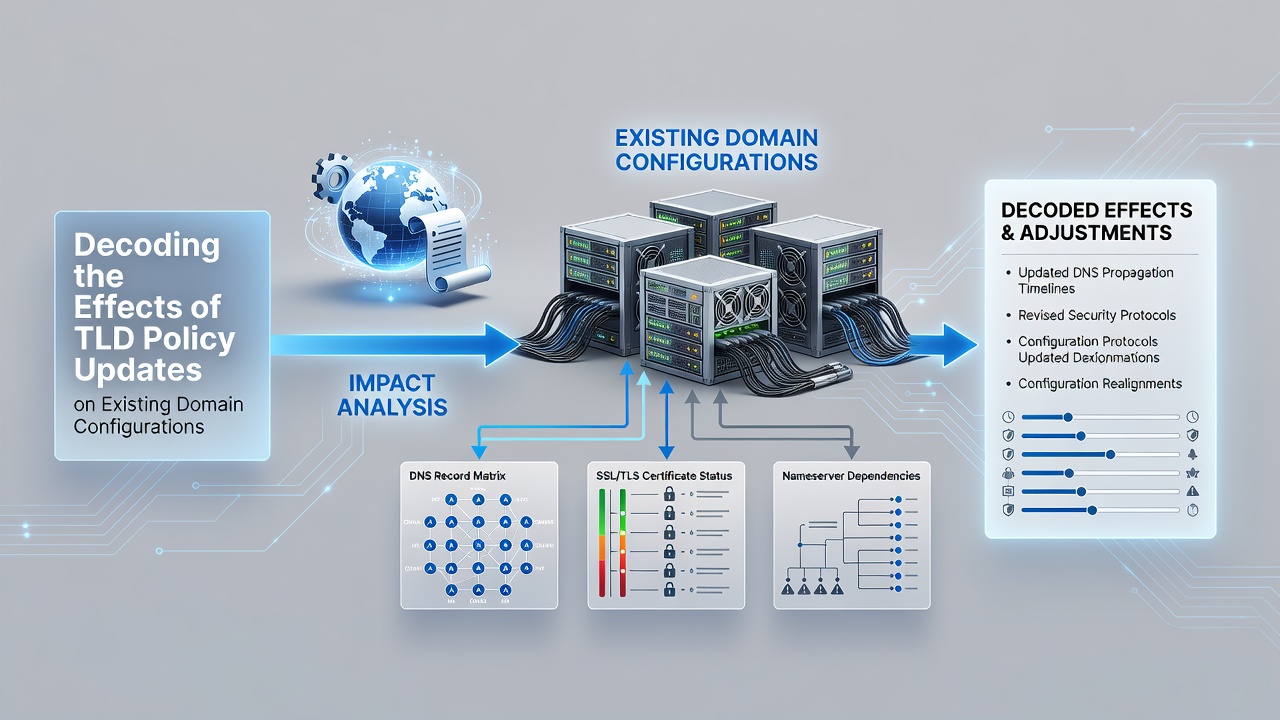
Mail servers tied to legacy domains face parallel adjustments because updated abuse policies require registrars to suspend domains exhibiting high bounce rates or spoofing complaints, which interrupts delivery for configurations that once operated without monitoring layers. Observers note that organizations running high-volume transactional email frequently discover these issues only after delivery rates decline, at which point they must implement SPF, DKIM, and DMARC records that satisfy the revised registry criteria.
Renewal, Transfer, and Ownership Implications
Renewal pricing adjustments tied to registry fee increases propagate through registrars, so domains registered years earlier under fixed-rate assumptions now incur variable costs that affect budgeting models for large portfolios. Figures released by the Canadian Internet Registration Authority show that certain ccTLDs implemented graduated renewal schedules in 2025, resulting in measurable shifts in auto-renewal opt-out rates among corporate holders.
Transfer processes also change when policy updates mandate additional authorization codes or extended lock periods, extending the timeline for migrations that previously completed within hours. Researchers discovered that cross-registrar moves involving older .org domains required extra validation layers after the 2026 policy refresh, leading teams to coordinate directly with losing registrars to clear pending holds before the October 2026 enforcement window.
Case Examples from Recent Registry Adjustments
Take one operator managing a popular new gTLD that introduced mandatory annual re-verification for all registrants; domains created before this rule encountered repeated confirmation requests that disrupted automated management tools until owners updated their contact workflows. Another instance involved an EU-based registry that aligned its deletion policies with broader data retention standards, after which legacy domains lacking current registrant consent faced accelerated purge cycles.
Those who've studied portfolio behavior across multiple updates report that organizations maintaining detailed audit trails recover faster because they can demonstrate historical compliance during transition periods. What's significant is how these adjustments rarely erase prior configurations outright but instead layer new constraints that require active reconciliation.
Preparing Configurations for Upcoming Cycles
Domain administrators who monitor ICANN public comment periods gain advance notice of proposed changes, allowing them to test record templates against draft language before final implementation. Reports from academic analyses of registry contracts highlight that early adopters of standardized EPP extensions experience fewer outages when policies around name server diversity take effect.
October 2026 marks the scheduled review of several legacy registry agreements, during which further modifications to abuse reporting thresholds and pricing floors are expected to surface, giving registrars and holders a defined window to align systems. Entities tracking these timelines through official ICANN channels can schedule configuration reviews that coincide with the release of updated zone requirements.
Conclusion
TLD policy updates continue to reshape the operational landscape for domains registered under older terms, requiring ongoing attention to DNS records, renewal mechanics, and compliance documentation. Organizations that integrate these shifts into routine audits maintain continuity while those that delay adjustments encounter resolution gaps or transfer complications. The pattern across multiple registry cycles shows that proactive alignment with new rules preserves functionality for established configurations.